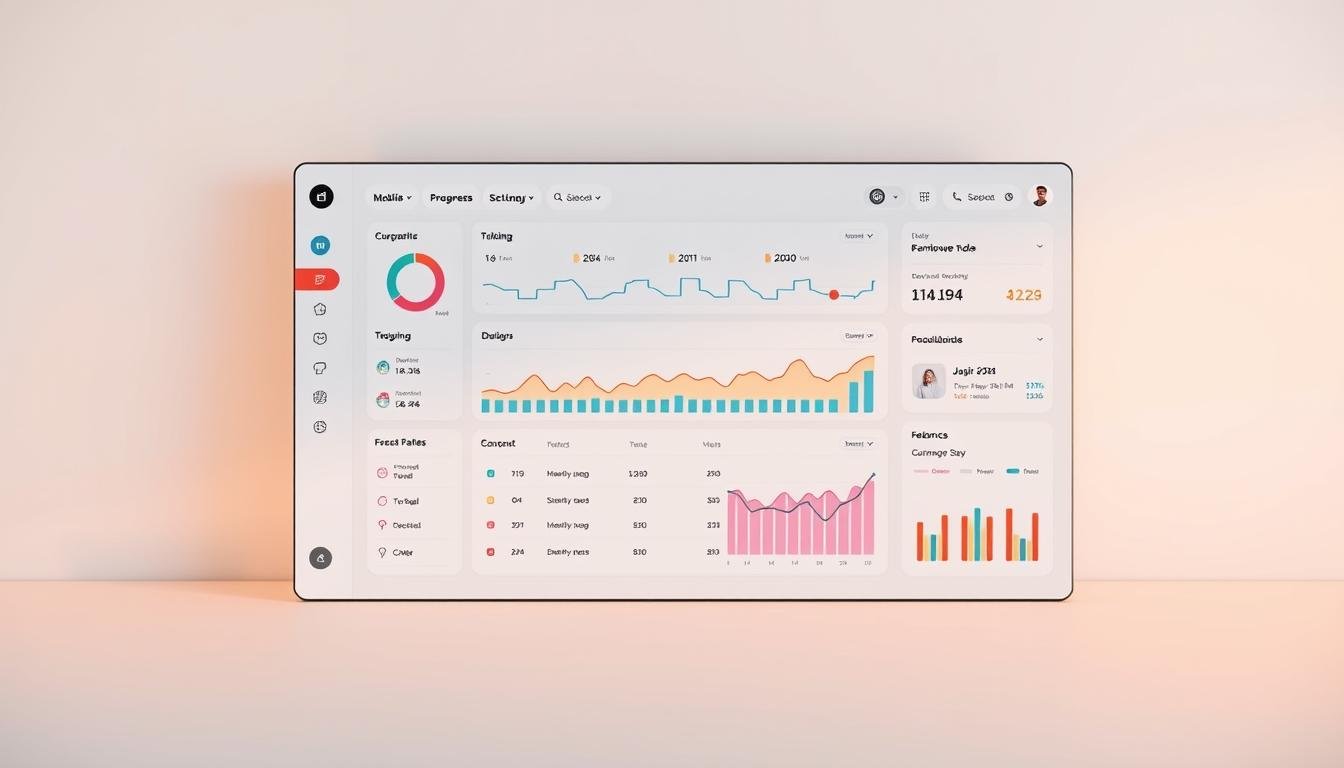
Tracking your progress well is key to success in many areas of life and work. With a professional-grade tool, you can make your workflow smoother. This boosts your productivity and helps you make better decisions based on data.
A top-notch tool gives you a full view of your progress. It shows you where you need to get better and how to use your resources wisely. This way, you can keep your eyes on the goal and tweak your plans as you go.
Key Takeaways
- Effective progress tracking enhances productivity and goal achievement.
- A professional-grade tool streamlines workflow and improves decision-making.
- Monitoring progress helps identify areas for improvement.
- Optimizing resources is crucial for achieving success.
- Using the right tool can make a significant difference in progress tracking.
The Power of Effective Progress Tracking
Tracking progress is a big deal for everyone. It lets people see how far they’ve come. This helps them make better choices and reach their goals faster.
Why Tracking Matters in Personal and Professional Growth
Tracking progress is key for growing personally and professionally. It shows where you need to get better and where you’re doing great. It keeps you motivated. At work, it helps teams meet their goals and make smart choices.
Common Challenges in Monitoring Progress
But, tracking progress isn’t always easy. Two big problems are data spread out in many places and the hassle of doing it by hand.
Data Fragmentation Issues
Data fragmentation happens when info is all over the place. It makes it hard to see the big picture. This can cause confusion and slow down making decisions.
Time-Consuming Manual Tracking
Manual tracking takes a lot of time and can be wrong. It takes away from what you really need to do. This makes you less productive.
What Makes a Progress Tracking Tool “Professional-Grade”
To track progress well, a tool needs certain professional-grade qualities. These qualities set a basic tool apart from a top-tier one.
Essential Features of Top-Tier Tracking Tools
Top-tier tracking tools have advanced features. They include automation capabilities and integration flexibility.
Automation Capabilities
Automation lets users do repetitive tasks automatically. This saves time and boosts efficiency. It’s key for professional-grade tools.
Integration Flexibility
Integration flexibility means users can link their tool with other software. This makes the tool more useful and adaptable. It’s a hallmark of professional tracking solutions.
Distinguishing Between Basic and Professional Tracking Solutions
The main difference is in features and how much they can grow. Professional tools have more advanced features and better ways to connect with other systems.
| Feature | Basic Tracking Tools | Professional Tracking Tools |
|---|---|---|
| Automation | Limited or no automation | Advanced automation capabilities |
| Integration | Limited integration options | High integration flexibility |
| Scalability | Limited scalability | Highly scalable |
Track Progress Like a Pro with One Tool: The Ultimate Solution
One tool is the best for tracking progress. It makes tracking easier across projects and goals.
Core Capabilities That Set This Tool Apart
This tool has core capabilities that make it stand out. It includes:
- Advanced data analytics for insightful progress tracking
- Customizable dashboards for personalized monitoring
- Real-time updates to ensure timely interventions
Versatility Across Different Projects and Goals
This tool is very versatile. It works well for both personal and professional goals.
Personal Development Tracking
For those working on personal development, it has special features. It helps track skills, habits, and goals.
Business and Team Performance Monitoring
In business, it helps monitor team performance. Managers can see project progress and improve team work.
This tool is a complete solution for tracking progress. It’s essential for anyone aiming for excellence.
Setting Up Your Progress Tracking System
Setting up a progress tracking system is more than just picking a tool. It’s about setting it up right. A good setup lets you track your progress well and make smart choices.
Initial Configuration for Maximum Effectiveness
To get the most from your tracking tool, start with the right setup. This means following a few important steps.
Defining Key Performance Indicators
First, pick the key performance indicators (KPIs) that matter most to you. These could be things like how many tasks you finish, reaching project goals, or how your team is doing.
Setting Up Automated Data Collection
Turn on automated data collection to make tracking easier. This lets your tool collect data on its own. It cuts down on manual work and mistakes.
Customization Options for Different Tracking Needs
Every project and goal is unique. Look for a progress tracking system that lets you customize it to fit your needs.
- Adjust notification settings to stay informed about critical updates.
- Customize data visualization to better understand your progress.
- Set up personalized dashboards for different stakeholders.
Using these customization options makes sure your tracking system meets your goals. This boosts its effectiveness.
Data Visualization and Reporting Features
Top-tier progress tracking tools stand out because of their advanced data visualization and reporting features. These tools help users turn complex data into clear, actionable insights.
Turning Numbers into Actionable Insights
Effective data visualization lets users quickly understand their data. They can spot trends, patterns, and areas needing attention. This way, users can make informed decisions without getting lost in numbers.
Sharing Progress with Stakeholders and Team Members
Reporting features are key for sharing progress with stakeholders and team members. They include automated report generation and collaborative dashboard features.
Automated Report Generation
Automated report generation saves time. It creates regular updates without needing manual effort. This ensures stakeholders stay informed.
Collaborative Dashboard Features
Collaborative dashboards let team members see and interact with data in real-time. This creates a more cohesive and responsive team environment.
| Feature | Description | Benefit |
|---|---|---|
| Data Visualization | Presents complex data in an intuitive format | Easy understanding of trends and patterns |
| Automated Reporting | Generates regular updates automatically | Saves time and ensures stakeholders are informed |
| Collaborative Dashboards | Allows real-time interaction with progress data | Fosters a cohesive and responsive team environment |
Advanced Strategies for Progress Monitoring
Using advanced progress monitoring strategies is crucial for better performance and reaching goals. To improve your tracking, it’s important to use new methods that help you grow and get better.
Setting Meaningful Milestones and Checkpoints
Setting milestones and checkpoints is key for tracking progress well. This means breaking down big goals into smaller tasks and celebrating each success.
Breaking Down Long-Term Goals
Split big goals into smaller, doable steps. This keeps you moving and lets you track your progress well.
Celebrating Small Wins
Recognizing and celebrating small victories boosts your spirit and keeps you motivated. It helps you keep moving forward.
Leveraging Analytics for Continuous Improvement
Using analytics is important for improving your progress tracking. By looking at data, you can find areas to get better and make smart choices for ongoing improvement.
By adding these advanced strategies to your progress tracking, you can make your efforts more effective. This leads to greater success in your goals.
Real-World Success Stories and Use Cases
Success stories show how effective progress tracking tools are. People in many fields use these tools to make their work better and reach their goals faster.
How Professionals Across Industries Leverage Progress Tracking
Everyone from project managers to sales teams uses progress tracking. Marketing teams watch how their campaigns do. Software developers use it to keep track of their projects and work together better.
Measurable Results and Outcomes
Progress tracking tools have really helped people work better and reach their goals. They let professionals see where they need to get better and change things for the better.
Productivity Improvements
Teams have seen a big jump in productivity with progress tracking. They can now focus on what’s most important and avoid distractions.
Goal Achievement Rates
The numbers show that reaching goals has gotten a lot better. This is because they can track their progress and make smart choices.
Conclusion: Elevate Your Progress Tracking Today
Tracking your progress is key to reaching your goals. Using a top-notch tracking tool helps you work more efficiently. It gives you insights and lets you make smart choices based on data.
A great tracking tool has features like data visualization and customizable reports. These help you see how you’re doing and find ways to get better. You can then change your plans to fit your new insights.
Improving how you track your progress can really boost your performance. It makes you more productive and helps you achieve your goals. Start using a strong tracking system that fits your needs today.
With the right tools and plans, you can reach your full potential. Begin tracking your progress better now. See how data can change your decisions and help you succeed.
FAQ
What is progress tracking, and why is it important?
Progress tracking is about keeping an eye on how you’re doing towards your goals. It helps you stay on track, find what needs work, and make smart choices based on data.
What are the common challenges faced during progress tracking?
Issues like scattered data, manual tracking, and lack of automation can make tracking hard. These problems can lead to mistakes and waste time.
What features should I look for in a professional-grade progress tracking tool?
Look for tools that automate tasks, integrate well, and offer insights. They should also be flexible to fit your specific needs.
How can I set up my progress tracking system for maximum effectiveness?
First, decide what you want to track. Then, set up tools to collect data automatically. Finally, customize your system to match your goals.
What are the benefits of using data visualization and reporting features in progress tracking?
These features help you understand your data better. They let you share updates with others and make informed choices. Tools that automatically create reports and allow team collaboration are especially useful.
How can I leverage analytics for continuous improvement in progress tracking?
Analytics help you spot where you can get better. They let you see how you’re doing over time. This way, you can make choices based on solid data to keep improving.
What are some advanced strategies for effective progress monitoring?
To track progress well, set clear goals and milestones. Break big goals into smaller steps. Celebrate your wins and use data to keep getting better.
Can progress tracking be used for personal development and business or team performance monitoring?
Yes, progress tracking works for many areas. It’s great for personal growth, business goals, and team success. It’s a flexible tool for reaching various objectives.